
Imagine this scenario: you arrive home after a long day of work, only to find someone’s car parked over your driveway. Frustration sets in as you ponder the next steps.
Can you call the police for help? In this article, we will delve into the laws and regulations surrounding such situations. By understanding trespassing and nuisance, we can determine whether it’s a civil or criminal matter.
Armed with knowledge, you’ll be equipped to take appropriate action when faced with driveway parking predicaments.
Relevant Laws and Regulations
You should familiarise yourself with the relevant laws and regulations regarding parking over driveways. It is essential to understand the legal ramifications of such actions.
Parking over someone else’s driveway without permission is generally considered illegal in most jurisdictions. In many places, it constitutes trespassing or obstructing a private property entrance. Depending on your local laws, the consequences for repeat offenders can range from fines to vehicle impoundment. Some areas may even classify repeated offences as misdemeanors, leading to more severe penalties like community service or license suspension.
Therefore, it is crucial to be aware of these rules and their enforcement in your area to ensure that you can take appropriate action if someone parks over your driveway without permission.
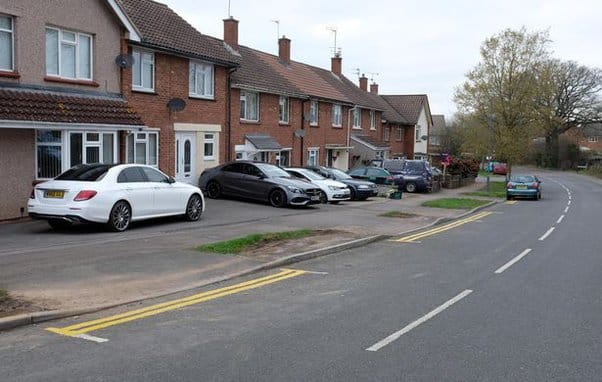
Understanding Trespassing and Nuisance
Having someone park over your driveway can be considered trespassing and a nuisance. Understanding property rights is essential in dealing with such situations.
Property rights refer to the legal ownership and control one has over their land, including driveways. When someone parks without permission on your driveway, they are essentially intruding onto your private property without authorisation. This constitutes trespassing under most legal jurisdictions.
In addition to being a violation of property rights, parking over someone’s driveway can also be classified as a nuisance. A nuisance is any activity that interferes with the reasonable use and enjoyment of another person’s property. By blocking access to your own driveway, the offender is causing inconvenience and disruption to your daily activities.
The legal consequences for parking over someone’s driveway vary depending on local laws and regulations. In some cases, you may be able to call the police or have the vehicle towed at the owner’s expense. However, it is important to consult local authorities or seek legal advice to understand the specific procedures and remedies available in your jurisdiction.
Assessing the Situation: Is It a Civil or Criminal Matter
Assessing the situation, it’s important to determine whether parking over someone’s driveway is a civil or criminal matter. Understanding the legal implications and police response time can help clarify this issue. Here are some key points to consider:
- Civil Matter: Parking over someone’s driveway is generally considered a civil matter because it involves a dispute between private individuals regarding property rights.
- Trespassing: If someone parks on your driveway without permission, they may be trespassing on your property.
- Nuisance: Parking over someone’s driveway can also be seen as a nuisance, causing inconvenience and obstruction.
- Communication: It’s advisable to first try resolving the issue by politely communicating with the person who parked inappropriately, before involving authorities.
- Police Response Time: Depending on the jurisdiction and severity of the situation, police response time can vary. In non-emergency cases, it may take longer for officers to arrive.
Remember to consult local laws and regulations for specific guidance in your area.
Steps to Take if Someone Parks Over Your Driveway
Remember to first try communicating politely with the person who parked inappropriately over your driveway. It is important to approach the situation calmly and respectfully, as this may resolve the issue without involving legal authorities.
However, if your attempts at communication fail or if the offender refuses to move their vehicle, there are legal implications and consequences for their actions.
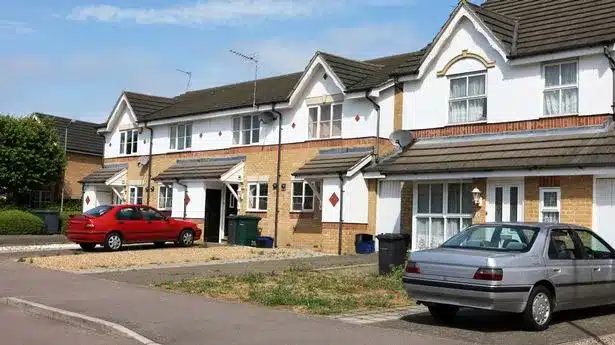
Parking over someone’s driveway without permission can be considered a violation of property rights and may result in civil penalties. In some jurisdictions, it could also be classified as a criminal offence, especially if it obstructs emergency vehicles or causes significant inconvenience.
To address this matter legally, you can contact local law enforcement or parking enforcement agencies. They have the authority to issue fines or even tow the offending vehicle. Keep in mind that the specific repercussions vary depending on local regulations and circumstances surrounding each incident.
Conclusion
In conclusion, dealing with someone parking over your driveway can be a frustrating situation. It is important to understand the relevant laws and regulations in your area regarding trespassing and nuisance. How Do I Know If My Dropped Kerb Is Legal?
Assessing whether it is a civil or criminal matter will help determine the appropriate steps to take. Remember, remaining calm and collected while handling the situation is key.
Call us to get a price quote on a drop-kerb. Contact us today on 07825 002472 to receive a free quote or visit our website.

Dropped Kerb Law Parking?
Are you aware of the regulations surrounding dropped kerbs and parking in the UK? Understanding the dropped kerb law is essential to avoid penalties and ensure accessibility
Do You Need Planning Permission to Put a Driveway in Your Garden?
Planning permission is a crucial consideration when it comes to constructing a driveway in your garden. Before embarking on any paving project, it’s important to understand the rules and regulations to
Dropped Kerb Consent
Welcome to our guide on obtaining dropped kerb consent in the UK. If you’re a property owner looking for easy access to your home, this article will provide you with all the
Planning permission is a crucial consideration when it comes to constructing a driveway in your garden. Before embarking on any paving project, it's important to understand Read more