

Discover the regulations surrounding dropped kerbs and whether you need planning permission for your vehicle access in the United Kingdom.
When it comes to dropped kerbs, planning permission is usually required. If you want to create or alter a vehicle access by dropping the kerb, written consent is necessary from the local authority, either through planning permission or a lawful development certificate. Permission is also needed from the local highway authority.
Planning permission is necessary if the proposed dropped kerb is on a main road, if it is the only work to be carried out, or if permitted development rights have been removed. If the dropped kerb is on a classified road or trunk road, planning permission is required as well. Additionally, if the access serves land or property that is not part of a house, crosses someone else’s land or a grass verge, or is in a conservation area or a listed building, planning permission is needed. However, planning permission is not required if the dropped kerb is not on a trunk or classified road and any work associated with it falls under permitted development rights.
When is Planning Permission Required for Dropped Kerbs?
Planning permission is necessary for dropped kerbs in certain circumstances, including when the kerb is on a main road or serves land that is not part of a house. It is also required if the dropped kerb is on a classified road or trunk road. Additionally, if the access to the dropped kerb crosses someone else’s land or a grass verge, or if it is located in a conservation area or a listed building, planning permission is needed.
However, there are exceptions to planning permission for dropped kerbs. If the dropped kerb is not on a trunk or classified road and any associated work falls under permitted development rights, then planning permission is not required. It is important to note that even if planning permission is not needed, consent from the local highway authority is still necessary.
Examples of situations where planning permission is required for dropped kerbs:
- Dropped kerb is on a main road
- Dropped kerb serves land or property that is not part of a house
- Dropped kerb crosses someone else’s land or a grass verge
- Dropped kerb is located in a conservation area or a listed building

Consulting with the local authority is essential when considering a dropped kerb, as they will be able to provide specific requirements based on the location and circumstances. For more detailed assistance, sources such as Gloucestershire Highways, Essex County Council, and Planning Aid for Scotland offer valuable information.
Exceptions to Planning Permission for Dropped Kerbs
In some cases, planning permission may not be required for dropped kerbs if they are not on a trunk or classified road and fall within permitted development rights. Permitted development rights allow certain types of development to be carried out without the need for formal planning permission. These rights are granted by the government and are subject to specific conditions and limitations.
When it comes to dropped kerbs, if the proposed access is located on a road that is not classified or designated as a trunk road, and the work falls within the parameters of permitted development rights, planning permission may not be necessary. This can be advantageous for homeowners looking to improve their vehicle access without going through the formal planning process.
Permitted Development Rights for Dropped Kerbs
Permitted development rights for dropped kerbs typically allow for the creation or alteration of a vehicle access, such as the installation of a dropped kerb or the formation of a new driveway. However, it’s important to note that while planning permission may not be required, consent from the local highway authority is usually still necessary.
Before proceeding with any work, it is advisable to consult with your local authority and familiarize yourself with the specific requirements and limitations surrounding dropped kerbs. Each local authority may have its own set of guidelines and procedures, so it’s essential to gather all the relevant information before undertaking any work.
By understanding the exceptions to planning permission for dropped kerbs and familiarizing yourself with the permitted development rights in your area, you can navigate the process more effectively and ensure compliance with the necessary regulations. Remember to consult your local authority for specific guidance and obtain consent before commencing any work on your dropped kerb.
Understanding the Process for Obtaining Planning Permission
If planning permission is required for your dropped kerb, it’s important to follow the process laid out by your local authority to obtain the necessary consent. This ensures that you comply with the regulations and avoid any potential issues or penalties.
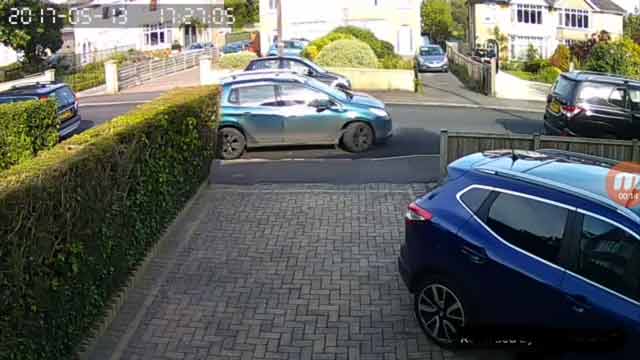
The first step is to contact your local authority and inquire about their specific requirements for dropped kerb planning permission. They will provide you with the necessary information, forms, and guidelines to follow. It’s important to carefully read and understand these documents to ensure a smooth application process.
Typically, the process involves submitting an application form, along with any required supporting documents or fees. The local authority will then review your application, taking into consideration factors such as the impact on pedestrian safety, traffic flow, and the surrounding environment.
During the assessment, they may also consult with relevant departments, such as the local highway authority, to gather additional information. This helps ensure that the proposed dropped kerb meets all necessary requirements and regulations.
Once the local authority has reviewed your application, they will make a decision and provide you with the outcome. If your application is approved, you will receive the necessary planning permission, allowing you to proceed with the dropped kerb construction. However, if your application is declined, the local authority will provide you with the reasons for the decision and any potential alternative solutions.
In Conclusion
Understanding the regulations around dropped kerbs and planning permission is crucial for anyone looking to create or alter a vehicle access in the United Kingdom. By obtaining the necessary consent from the local authority and adhering to the guidelines, you can ensure a smooth process for your dropped kerb installation.
If you are planning to create or modify a dropped kerb, it is important to remember that written consent is required from the local authority. This can be obtained through planning permission or a lawful development certificate. It is also essential to seek permission from the local highway authority.
It is important to note that planning permission is generally required for dropped kerbs, especially if they are located on main roads, classified or trunk roads, or if they serve non-residential properties. It is also necessary if the access crosses someone else’s land, a grass verge, or if it is in a conservation area or a listed building. However, planning permission may not be needed if the dropped kerb is not on a trunk or classified road and falls under permitted development rights.
To ensure you have all the necessary information and meet the specific requirements for your dropped kerb installation, it is recommended to consult the provided sources or reach out to your local authority directly. They can provide guidance on the process and any additional steps you may need to take.
Call us to get a price quote on a drop-kerb. Contact us today on 07825 002472 to receive a free quote or visit our website.

Do you have a dropped kerb outside your property? Have you ever wondered if it is legal? If so, you've Read more

Kerb drops, also known as lowered kerbs or dropped curbs, play a crucial role in ensuring accessibility for pedestrians and Read more

According to recent data, the demand for professional dropped kerb contractors has seen a significant increase in recent years. This Read more