

Welcome to our guide on dropped kerbs! If you’ve ever wondered where a dropped kerb starts and what it’s for, you’ve come to the right place. In this article, we’ll explore the importance of dropped kerbs for driveway access and how they help create a smooth and accessible transition from the pavement to your property.
But first, let’s clarify what exactly a dropped kerb is. It’s a lowered section of the pavement that allows easier access for people with disabilities and vehicles, including cars, motorbikes, and bicycles. Dropped kerbs are strategically placed throughout the UK to ensure safe and convenient driveway access.
One of the key things to remember about dropped kerbs is that parking on them is generally prohibited, unless exceptional circumstances force you to do so. Rule 243 of the Highway Code clearly states this, and violating this rule can result in a penalty charge notice of up to £90. To avoid any issues, it’s crucial to understand where dropped kerbs start so you can park your vehicle legally and responsibly.
Dropped Kerb Construction Process and Costs
If you are considering having a dropped kerb constructed outside your property, there is a process you need to follow.
First, you will need to apply to the council and obtain permission for the construction. The council provides a quotation and construction service for this purpose.
The process begins with submitting an application online and paying a fee.
Once your application is received, an officer will visit the site to take measurements and photographs of the existing footway. Within 10 days of the visit, you will receive a quotation for the full work.
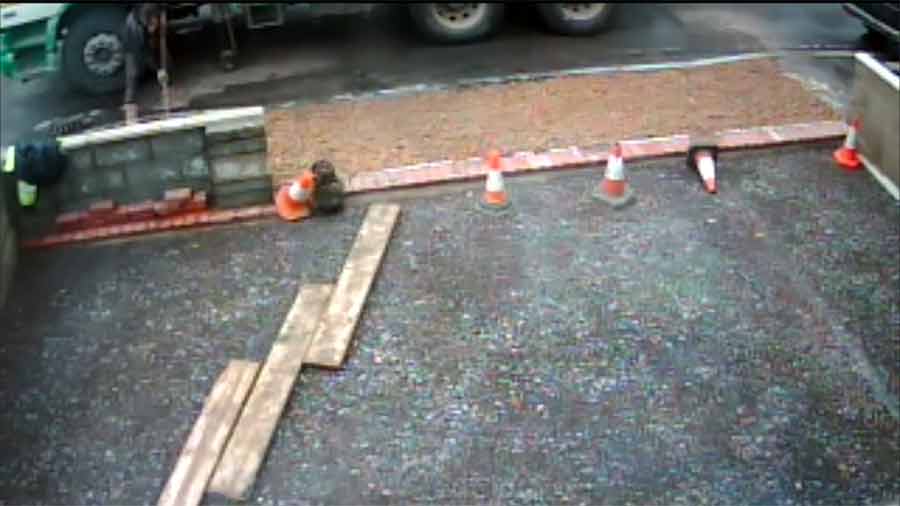
The cost of a dropped kerb depends on various factors, such as the area of the footpath and any additional features like utility boxes or lighting columns.
Dropped Kerb Construction Process and Costs
| Factors | Cost |
|---|---|
| Area of Footpath | Varies |
| Additional Features | Varies |
If you prefer, you can also use your own contractor for the construction, as long as they meet certain criteria and obtain an “Opening Up Notice for Highways” from the council.
Applying for a Dropped Kerb and Legal Considerations
If you are considering applying for a dropped kerb to improve vehicle access to your driveway, there are a few important legal considerations to keep in mind. Before proceeding with the application process, it is crucial to determine if a dropped kerb is necessary for driving a vehicle into your driveway off a highway. Without a dropped kerb, driving over the footway is illegal and can result in enforcement action. To avoid any legal issues, it is best to apply for a dropped kerb assessment.
The application process typically involves a fee for the assessment. If your application is approved, you will receive a further quotation for the full work. It is important to note that the construction of a vehicle crossing is considered part of the public highway and does not grant any legal ownership or license for the land. This means that you will still need to comply with any legal requirements regarding gates or obstructions on your property. Additionally, it is essential to consider any land easements, rights of way, or ownership issues that may impact the installation of a dropped kerb.
Legal Considerations Checklist:
- Determine if a dropped kerb is necessary for your driveway access
- Apply for a dropped kerb assessment
- Consider any legal requirements for gates or obstructions on your property
- Check for any land easements, rights of way, or ownership issues
If you feel that the criteria for obtaining a dropped kerb have not been applied correctly, you have the right to appeal the decision. It is always advisable to consult with professionals who specialize in dropped kerb installations, as they can guide you through the application process and ensure compliance with legal considerations.
| Important Legal Considerations for Dropped Kerb Applications | Key Points |
|---|---|
| Dropped Kerb Assessment | Apply for an assessment to determine the necessity of a dropped kerb for your driveway access. |
| Quotation | If your application is approved, you will receive a quotation for the full work. |
| Public Highway | Construction of a vehicle crossing does not grant legal ownership or license for the land. |
| Gates and Obstructions | Consider any legal requirements for gates or obstructions on your property. |
| Land Easements and Rights of Way | Check for any land easements, rights of way, or ownership issues that may impact the installation. |
| Appealing the Decision | If you believe the criteria have not been applied correctly, you have the right to appeal. |
Conclusion

In conclusion, having a dropped kerb is crucial for improving vehicle access and ensuring the smooth flow of traffic.
It allows for easier entry and exit from driveways, making it convenient for homeowners and drivers alike.
However, it is essential to adhere to the rules and regulations surrounding dropped kerbs. Parking on a dropped kerb is not allowed unless forced by stationary traffic, as it may cause obstruction and inconvenience for others.
Violating these rules can result in penalty charges.
When considering the construction of a dropped kerb, it is important to follow the proper procedures. Applying to the local council, obtaining permission, and making the necessary payments are necessary steps in the process. Additionally, legal considerations such as gate position, land ownership, and planning permission should be taken into account.
By working with reputable dropped kerb contractors, such as Dropped Kerb Contractors Leicester, you can ensure that the installation is carried out safely and in compliance with regulations. Visit their website, https://droppedkerbleicester.co.uk/, to learn more about their services and how they can assist you with your driveway construction needs.
Call us to get a price quote on a drop-kerb. Contact us today on 07825 002472 to receive a free quote or visit our website.

Do you have a dropped kerb outside your property? Have you ever wondered if it is legal? If so, you've Read more

Kerb drops, also known as lowered kerbs or dropped curbs, play a crucial role in ensuring accessibility for pedestrians and Read more

According to recent data, the demand for professional dropped kerb contractors has seen a significant increase in recent years. This Read more